For India to be atmanirbhar, domestic manufacturers cannot remain merely assemblers of imported parts. Manufacturing in India cannot survive on support of imports forever.

95 per cent of advertising inventory has been sold on television and 18 on-air sponsors have been signed up so far, the highest for any season.

Some of these items of consumption include ultraviolet disinfectants and sanitising boxes, free-finger touch devices, do-it-yourself grooming kits, self-cleaning water bottles, smart tiffin boxes, hand-sanitizer wearables, antiviral fabrics, tiles, flooring and mattresses, and anti-fogging glasses.

Categories such as washing machines, refrigerators and television sets have seen sales growth of around 8-10 per cent in August compared to last year, industry sources said, with September also reporting a similar growth trajectory.

Future's home retailing interests, including furniture and furnishings, are housed under Praxis Home Retail, which was created in FY18 when the group demerged the business from Future Retail.

Analysts say large firms in these segments don't need loan recast due to the efficient manner in which many of them operate.

The bigger threat for DMart is that the Reliance-Future combine now has grocery revenues that are nearly 2.5 times of it, putting pressure on the former to improve stickiness of its consumers.

With the Thar, M&M has come full circle. In a market where every other vehicle has an SUV tag, the company plans to stick to its core competence of making rugged, true-blue, all-terrain SUVs, and marks a fresh beginning for the 75-year-old firm that enjoyed an indomitable position in the SUV segment till 2012, reports Shally Seth Mohile.

Pandemic-hit auto majors are likely to set aside these time-tested strategies for now, and, instead, focus on attractive finance schemes and an enhanced digital experience.

After six weeks into the second half, the faltering offline channel, which traditionally rakes in 60 per cent of sales for the market, has become the biggest hurdle towards the path of revival.

A third of the total restaurant market in India - valued at Rs 4.25 trillion - could be wiped out in the current financial year, since many players have simply been unable to sustain operations in the absence of customers.

Till recently, iPhone production in India was limited to older models at a lower price tag. So far, Apple has localised production of five smartphone models - iPhone SE (1st Gen), 6S, 7, XR and 11.

Hotels are also relying on couples who had earlier planned destination weddings but are now considering options within the country.

Consolidation has begun, due to which some are trying to trim the business and others are seeking an exit. The situation would worsen after August 31.

Retailers want rental waivers should be extended for a few more months, since business is not expected to pick up before the Dussehra-Diwali period, which falls in October-November.

While green shoots are beginning to emerge, with June sales rebounding to pre-Covid levels thanks to a rural revival, most FMCG chief executives have voiced concerns about localised lockdowns that began in July and have extended into August in some states.

From market leader HP and premium player Apple to China's Lenovo and Asus, all major brands in the market are witnessing rapid surge in the demand for notebooks.

With entry-level cars being preferred amid the pandemic, market leader Maruti Suzuki has strengthened its hold, along with Hyundai Motor India.
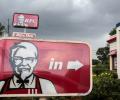
in the last three months, brands such as Tata Starbucks, KFC, and Pizza Hut have launched drive-through or kerb-side delivery services at their restaurants to catch consumers nervous about dining in.

Close to 50 models were launched in India in the past 12 months, but companies have not been able to realise their potential due to the pandemic.
 © 2026 Rediff.com - Investor Information - Advertise with us - Disclaimer - Privacy Policy - Sitemap - Feedback - About us - Terms of use - Grievances